RGB AWARD
Thoughtful Design Thinking Has Its Place Here Too: Our Ganz-Mavag Project Won an RGB Award
22.design
The RGB Creative Design Award is being held for the seventh year, in which our team received recognition in the digital design main category. The competition aims to draw attention to the importance of visual quality by showcasing the most outstanding design solutions in marketing and communication.
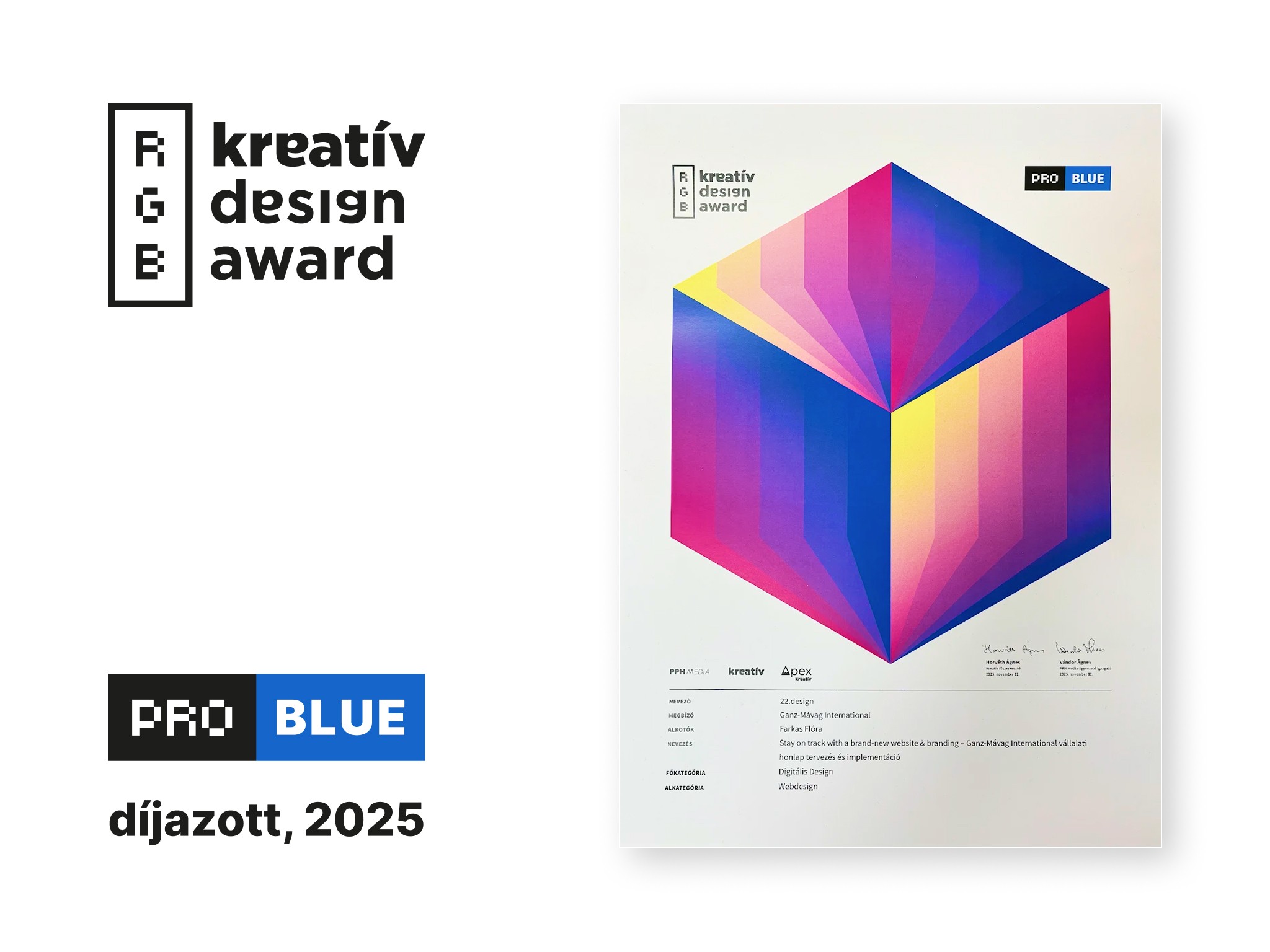
With the design and implementation of the Ganz-Mavag International corporate website, the team achieved BLUE pixel placement, which is clear feedback that we've moved in the right direction with the innovations and direction changes of recent years. We are particularly proud that Flóra, our lead designer, and the team received such prestigious recognition.
"The RGB BLUE Pixel recognition was very strong feedback for me that thoughtful, consistent design thinking has a place and value here at home. It didn't validate a momentary solution, but rather an approach that I, as a lead designer, consider important to pass on." — says Flóra
Briefly About the Project
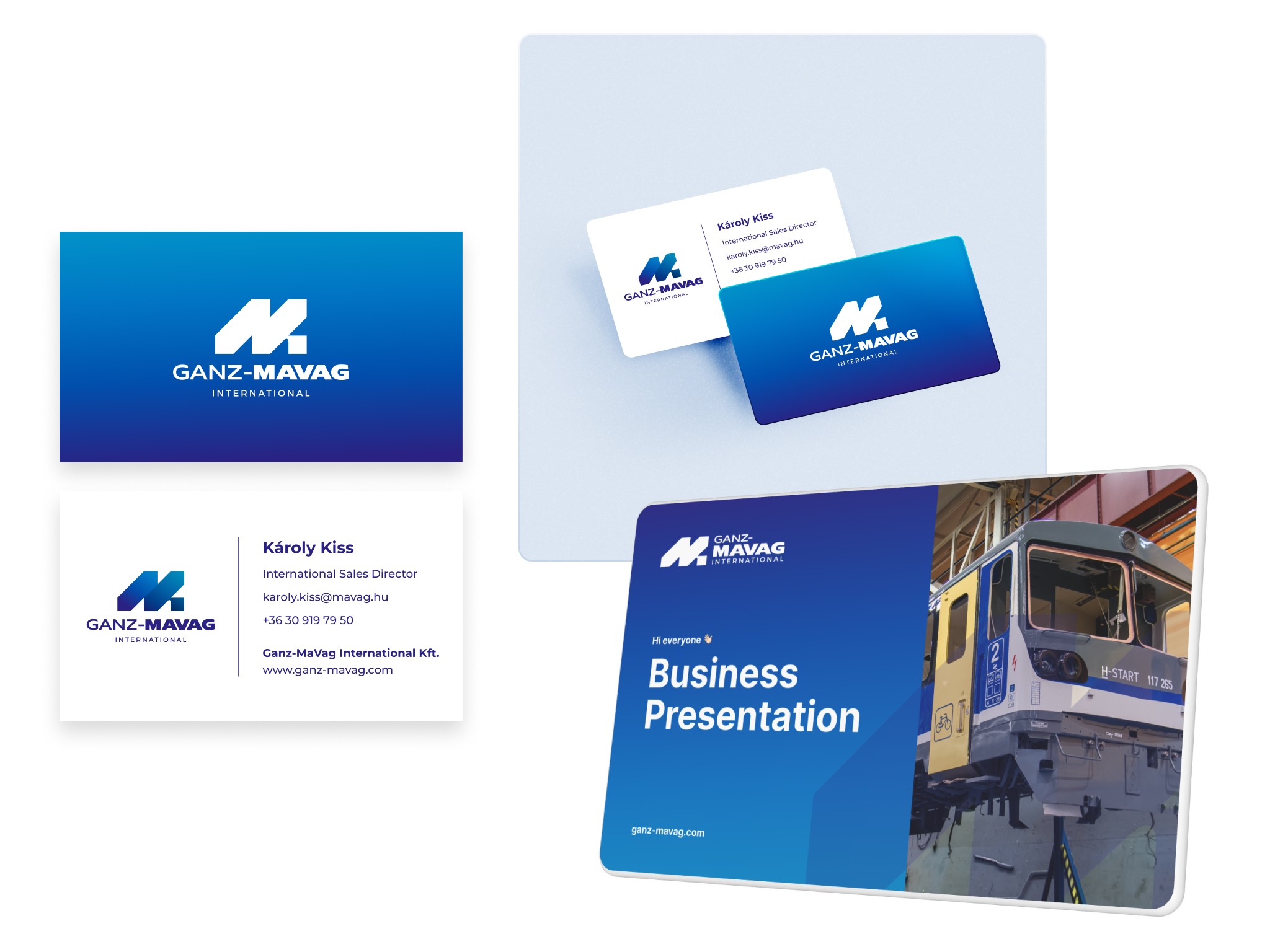
The goal during the Ganz-Mavag project was to create a modern digital presence that worthily connects the brand's rich historical heritage with the visual language of the present and future. From the very beginning, it was important that the visual concept be born with a digital-first approach, and that every element consistently represent the brand's character.
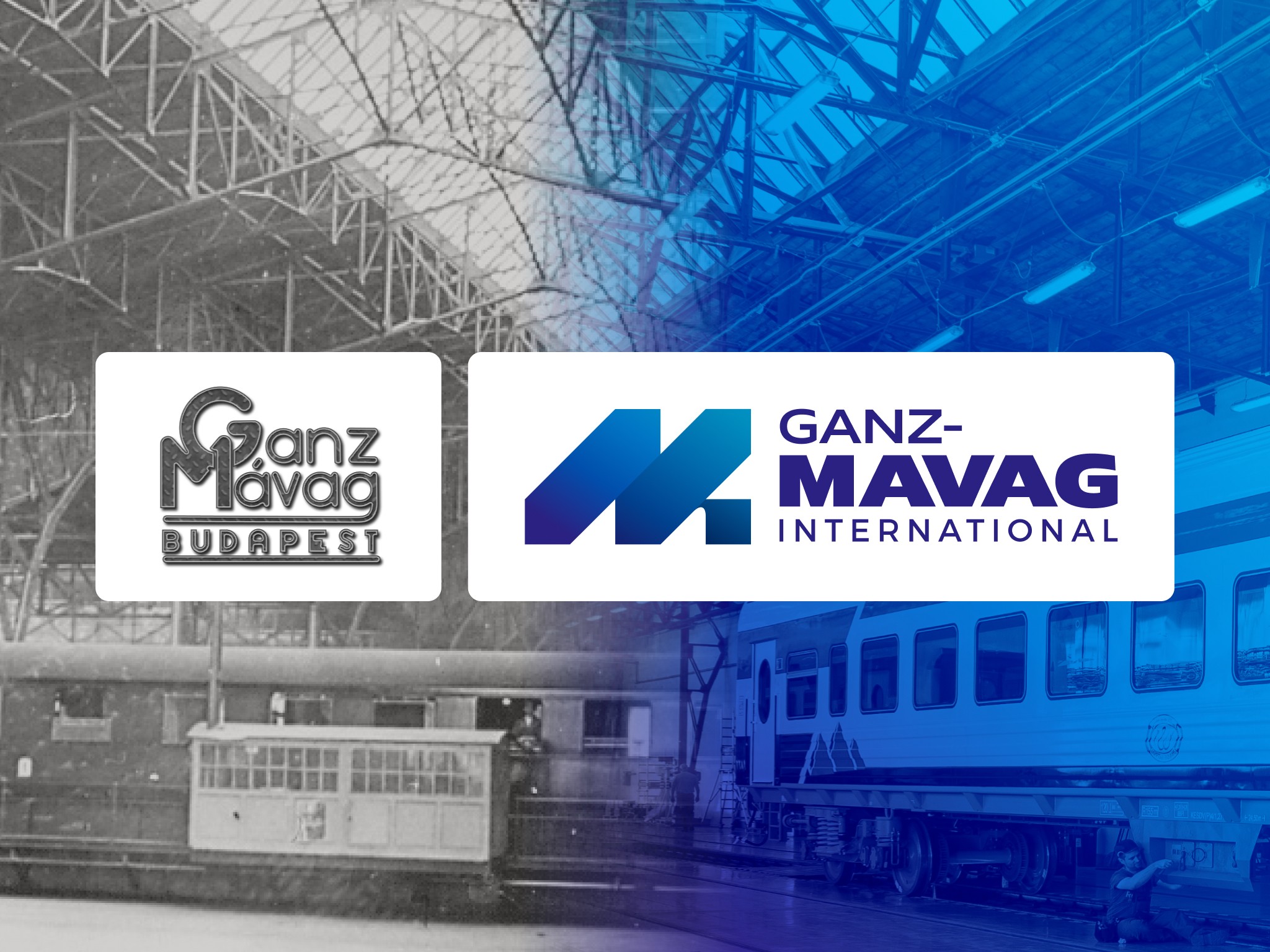
"The biggest challenge was to refresh an iconic, industrially rooted brand in such a way that we don't just dust it off, but place it in a new context. The goal wasn't nostalgic reminiscence, but rather creating a visual language that stands confidently in the digital space. In short: being modern without being forcedly trendy – this is always an exciting challenge."
When developing the visual directions, it was particularly important that the digital presence remain in harmony with the brand's essence throughout, so the UI design process was built on a careful balance of creativity and conscious planning. During the design process, we placed great emphasis on thinking through user pathways and content structure, so that the site addresses different target groups clearly yet creatively. The visual concepts were created in Figma, closely coordinated with branding, while we kept user needs in mind throughout.
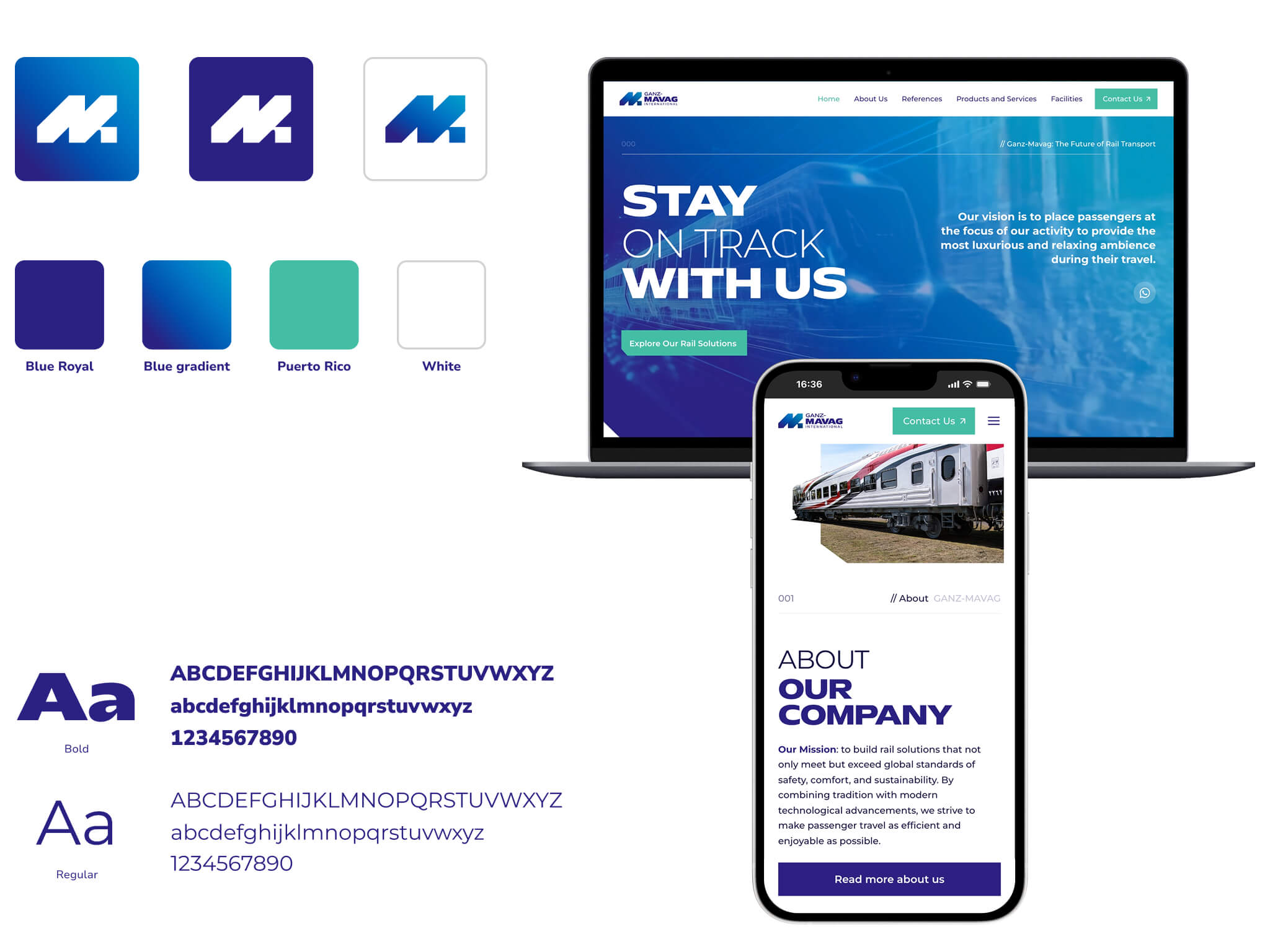
"There was a very clear moment during the process when the colors, typography, forms, and information structure all started working together – not separately, but as a system. From then on, the question wasn't whether we were going in the right direction, but rather how consistently we could carry this through."
While we primarily used Figma for design, we used Framer for the website's realization and implementation, which played a key role in this project. The software made it possible to test and refine design ideas not just in static form, but immediately in a live environment. This not only made the process faster and more flexible, but also provided us with real-time visual and functional feedback. With Framer's help, beyond static design, we could think about concrete functionality, interaction, and subtle movements in the early stages. The visual identity could thus appear not just as an image, but as an experience, which worked particularly well for a brand where precision, dynamism, and technological thinking also play key roles. The finished website thus became a clean and modern digital space that both honors Ganz-Mavag's heritage and is ready for future challenges.
On the Right Path Toward Implementation
Since as a UX/UI design agency we originally focused on design and research processes, implementation wasn't typical before. In recent years, however, with mastering the use of Framer, we can now not only design websites graphically, but also take implementation into our own hands. These innovations have given us tremendous freedom, as we can now realize our visions without involving developers, with complete influence over the final result.
"What I'm most proud of is that curiosity and joy for design remained throughout this project. We didn't just want to do a task well, but truly understand the brand and build a functioning digital system from that."
Faq

How is 22 different from other UX/UI or no-code agencies?
We don’t do generic. Every project we take on gets a senior-only team, direct access to decision-makers, and an approach grounded in research, not guesswork. No bloated decks, no junior handoffs—just sharp, practical design work that moves your metrics.

What’s your typical process like?
Do you work with early-stage startups or just big brands?
Can you help us redesign our product or website?
How much does it cost to work with you?
What if we’re in a different time zone?